
In a speech at Rice University in 1962, US President John F. Kennedy famously stated that challenges should be undertaken not because they are easy, but because they are hard. While referring to the US commitment to land a man on the moon, the same principle applies to the EU-Mercosur trade agreement. After more than 25 years of negotiations, the European Union and the Mercosur trade bloc, comprising Brazil, Argentina, Paraguay and Uruguay, have concluded a landmark free trade agreement that could significantly reshape transatlantic economic relations. Its long-term implications for European growth, strategic autonomy, and access to critical raw materials, including aluminium, are substantial.
Creating one of the world’s largest free trade zones
The EU-Mercosur agreement establishes one of the largest free trade areas globally, covering nearly 700 million consumers and a sizeable share of global GDP. The agreement aims to eliminate tariffs on over 90 per cent of goods traded between the two regions, addressing long-standing barriers such as high duties and restrictive non-tariff measures.
For European manufacturers, this translates into improved market access and reduced export costs for automobiles, machinery, pharmaceuticals and high-value industrial products. Currently, EU car exports to Mercosur face tariffs of up to 35 per cent, alongside significant levies on other manufactured goods. Eliminating these barriers is expected to enhance competitiveness and support employment, with estimates suggesting that expanded trade could sustain hundreds of thousands of jobs across Europe.
Diversifying EU supply chains: A raw materials imperative
One of the most strategically compelling aspects of the EU-Mercosur agreement is its potential to enhance Europe’s access to critical raw materials (CRMs), which include aluminium and its precursors, which are vital to the bloc’s industrial base and ongoing green and digital transitions.
The EU is currently highly dependent on external sources, particularly China, for many of the inputs needed for electric vehicles, renewable energy technologies, advanced electronics and aerospace components. Securing stable, diversified supplies of raw materials such as lithium, graphite, manganese and niobium is central to reducing that dependency and bolstering economic resilience.
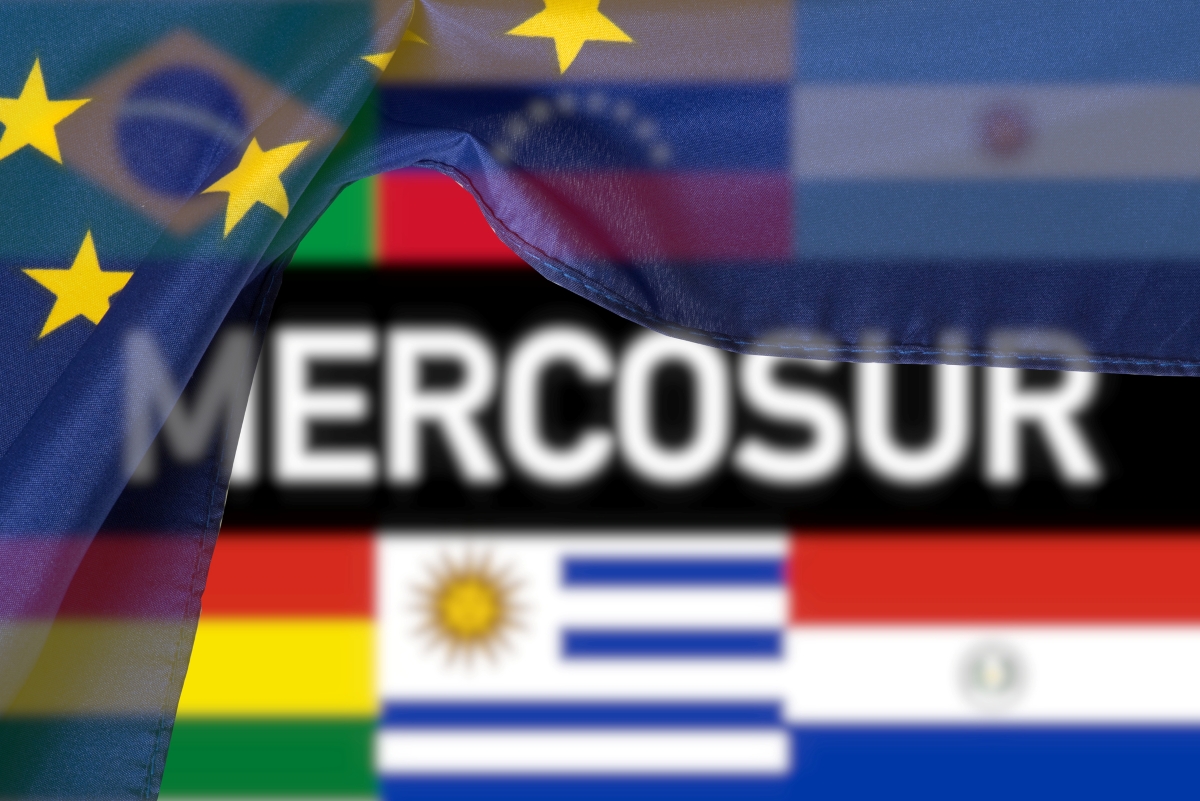
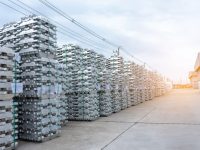
Image used for representantional purpose
When it comes to aluminium, bauxite and the industrial value chain, Mercosur countries, especially Brazil, are significant producers of raw materials that feed into the aluminium value chain. Brazil accounts for a meaningful share of global bauxite (the ore from which aluminium is derived) and aluminium-related inputs, making it a strategic partner for Europe’s metal-intensive industries. Under the EU-Mercosur agreement, tariffs on such raw inputs would be reduced, improving the competitiveness and predictability of supply for European producers.
For the EU aluminium industry, which is integral to sectors such as automotive manufacturing, aerospace, construction and packaging, this means enhanced supply security and lower import costs, particularly at a time when global demand is rising sharply amid the energy transition. Access to competitive bauxite and primary aluminium from Mercosur complements Europe’s own production and recycling capacity, helping to stabilise price fluctuations and reduce vulnerability to geopolitical bottlenecks.
Also read: Europe’s revised carbon market risks imposing costs without consent
Strengthening strategic autonomy
The EU, for years, has articulated a desire to reduce dependence on single sources for critical inputs, which became pronounced during pandemic disruptions and subsequent geopolitical tensions. The EU’s Critical Raw Materials Act reflects this priority, aiming to ensure resilient and diversified sourcing for essential materials. The Mercosur pact aligns with this strategy by facilitating reliable trade flows under predictable rules, encouraging European investment in supply chain infrastructure and reducing reliance on any single external supplier.
In the context of global competition, especially with rising Chinese dominance in processing and refining many key minerals, securing preferential access to Mercosur’s raw materials is more than just an economic benefit: It represents a geopolitical imperative. It provides the EU with alternative sources and a stronger foothold in a region rich with natural resources. While raw materials like bauxite and aluminium feedstocks are crucial, the agreement’s benefits span multiple sectors:
- Industrial Exports: EU exports of machinery, cars, pharmaceuticals and chemicals could grow by up to 39 per cent by 2040, unlocking tens of billions in trade.
- Services and Investment: European firms would gain access to public procurement markets and be able to invest across Mercosur countries without discrimination, reinforcing the EU’s role as a global investor.
- Agricultural Exports: European food and drink products enjoy strong protection, including safeguarded geographical indications and more transparent export procedures, increasing competitiveness abroad while respecting food safety standards.
Addressing sustainability and environmental concerns
While the EU-Mercosur agreement has faced criticism regarding environmental and social impacts, it includes binding commitments on sustainable development. These cover adherence to the Paris Climate Agreement, deforestation safeguards and labour rights protections. The intent is to ensure that increased trade does not undermine environmental or social standards.
Conclusion: Taking the hard but necessary route
The EU-Mercosur agreement demonstrates that ambitious trade deals remain possible even amid political, economic and social uncertainty. By improving market access, strengthening supply chains for critical raw materials such as aluminium, and reducing dependence on dominant global suppliers, the agreement supports Europe’s long-term economic resilience.
In an era of trade fragmentation and geopolitical competition, deep economic partnerships are no longer just about tariff reductions. They are about securing industrial stability, safeguarding strategic autonomy and fostering shared prosperity. Often, as Kennedy observed, the harder path is the one worth taking.