
In the aluminium value chain, the end-user isn’t just a buyer; it is the actual game player that gives the metal its economic purpose. Across automotive, construction, packaging, aerospace, electrical & electronics and renewable energy sectors, aluminium’s role shifts from a commodity to a strategic industrial material.
These end-use industries are the key consumption sectors: they decide how much, what type and where aluminium is deployed. When these sectors grow, the raw aluminium produced upstream, from bauxite to primary metal, and the metal made from aluminium scrap, find demand. When they slow, excess supply can pressure prices. The underlying strength of end-user demand is why the aluminium market isn’t just cyclical, it’s structurally anchored.
Why does demand stay strong even when prices are high?
Aluminium prices have climbed, often sharply, due to supply tightness, tariffs, premiums and regional trade distortions. For example, U.S. import tariffs have pushed premiums to record highs, making physical aluminium much costlier for consumers there.
Yet demand hasn’t collapsed. Here’s why:
Structural demand growth
Aluminium isn’t just a raw material, it’s a solution material for sectors focused on performance and sustainability:
- Automotive lightweighting improves fuel efficiency and extends EV range.
- Construction benefits from corrosion resistance and longevity.
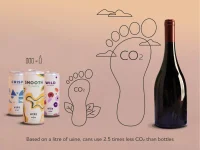
- Packaging demands recyclable, lightweight materials.
- Renewables and electrification require conductive, durable components.
These trends aren’t temporary; they’re embedded in long-term industrial strategies, so demand stays resilient even when prices rise.
Substitution and value creation
Even with higher prices due to tariffs or local premiums, many end-users prefer aluminium over steel or plastics because of its better strength-to-weight ratio, lower lifecycle cost and environmental advantages. This substitution effect sustains demand.
Market expectations and forward planning
Industry forecasts, like those in the Global Aluminium Industry Outlook 2026, signal continued growth in demand, prompting planners and buyers to maintain purchase commitments and inventory buffers rather than delay purchases. This strategic buying behaviour supports price stability and continuity of demand.
Competitive analysis research: What it reveals
Competitive analysis in the aluminium market today isn’t just about capacity or production costs. It examines:
- Supply chain resilience (energy costs, raw material access, logistics)
- Regional trade policies, including tariffs, carbon border taxes and export/import flows
- Sustainability positioning as low-carbon aluminium gains premiums
- Digitalisation and data-driven pricing mechanisms
Companies that incorporate competitive analysis research can better anticipate pricing pressures, end-use demand shifts and investment needs, especially as sustainability and decarbonisation priorities become central to competitiveness.
Different types of market segmentation in aluminium
Market segmentation helps buyers and sellers understand demand patterns and tailor strategies accordingly. The most common dimensions include:
By end-user sector
- Automotive & Transportation
- Construction & Infrastructure
- Packaging & Consumer Goods
- Electrical & Electronics
- Renewable Energy Systems
Each segment has distinct drivers. For example, EV adoption propels automotive aluminium demand, while urban housing and infrastructure investments boost construction consumption.
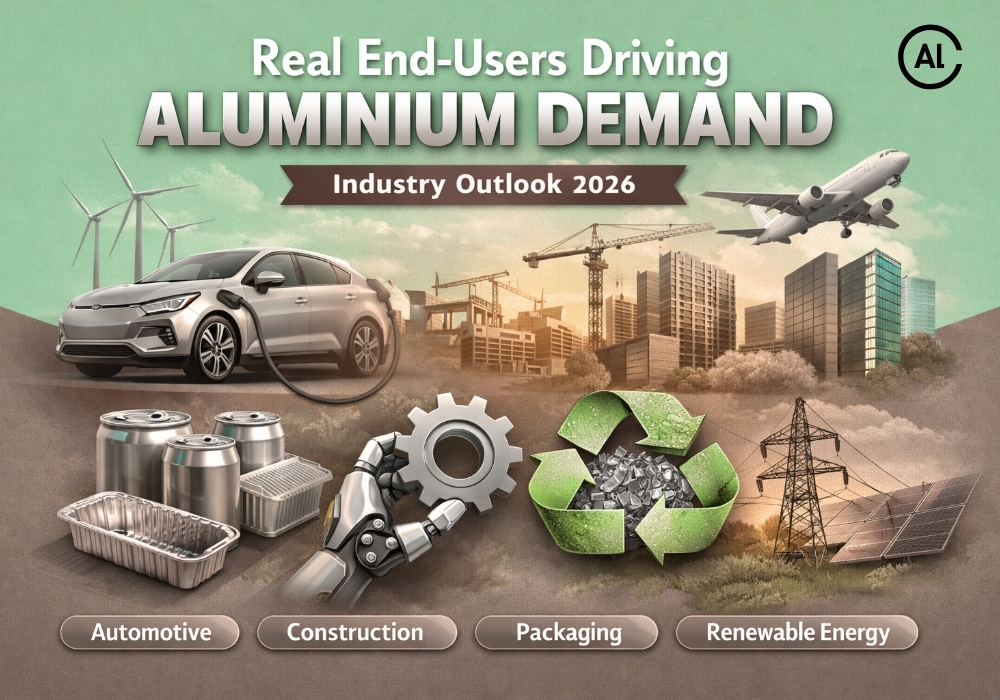
Image used for representational purpose only
By product form
- Primary Metal
- Extrusions
- Flat-Rolled Products
- Castings
- Wire-rods
- Recycled / Secondary Aluminium
This segmentation reveals how demand and value differ across applications, enabling targeted commercial approaches.
By region
Demand dynamics vary by geography: China continues to dominate consumption and production, while Western markets face tariff and energy cost pressures that influence end-user pricing dynamics.
Global market trends shaping aluminium outlook
The global aluminium industry is evolving under several powerful trends:
Structural demand growth
Global aluminium consumption is forecast to rise steadily through 2026, reflecting strong demand across multiple end-use sectors.
Supply constraints
Primary aluminium capacity additions are slow due to energy costs, regulatory hurdles and capital intensity. Inventories remain tight, underpinning higher price levels.
Downstream dominance
Downstream sectors, like extrusions, flat-rolled products and castings, are now central in determining market direction because they represent where aluminium translates into industrial output.
Sustainability & recycling
Recycled aluminium is rising in importance as consumers and regulators demand lower-carbon products. Secondary production reduces energy use significantly and opens new pricing segments.
Policy & trade Dynamics
Tariffs, carbon border adjustments, regional incentives and strategic supply chain realignments are creating price differentials across markets, but the underlying demand remains intact as end-users adapt through localisation and diversification strategies.
Conclusion: Demand resilience in a higher-price world
The aluminium industry’s success story isn’t rooted in low prices; it’s rooted in relevance at the point of industrial value creation. End-users across sectors are choosing aluminium not just for cost but for performance, sustainability and innovation. Even in a world of tariffs, premiums and supply tightness, demand remains positive because aluminium meets real structural needs in modern industrial economies.
Reports like AL Circle’s “Global Aluminium Industry Outlook 2026” show that this resilience is backed by data, from competitive analysis research and market segmentation to global trend projections that point toward continued growth and transformation through 2026.