
Introduction
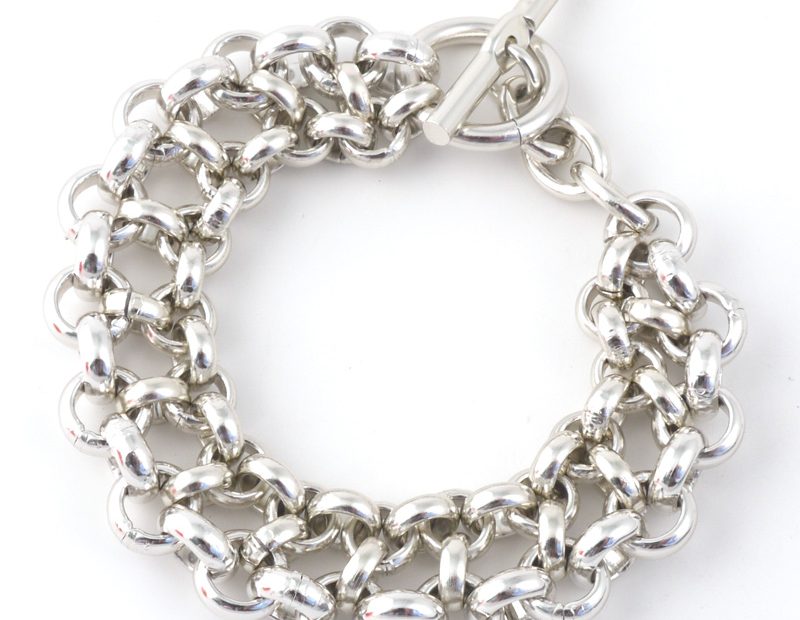
Aluminium has established itself as one of the most promising materials for the development of women’s accessories. Previously restricted to construction and packaging, aluminium has emerged as an attractive choice for earrings, necklaces, bracelets and chokers. Its combination of lightness, strength, versatile aesthetics, and strong sustainable appeal sets it apart from traditional metals like brass and copper. Furthermore, its hypoallergenic properties and excellent formability expand design possibilities, meeting the comfort, safety and style demands of modern consumers.
Technical characteristics of aluminium
- Lightweight: Due to its low density, aluminium ensures that accessories such as large earrings, bulky bracelets, and structured necklaces remain comfortable even during prolonged wear.
- Malleability: Enables complex designs without compromising structural integrity.
- Corrosion resistance: A naturally formed oxide layer protects the surface, enhancing durability.
- Recyclability: Aluminium can be recycled endlessly without loss of quality, requiring minimal energy input.
Environmental benefits and sustainability
- Lower environmental impact: Recycling aluminium consumes up to 95% less energy compared to primary extraction.
- Circular economy contribution: Reuse reduces solid waste and preserves natural resources.
- Reduced carbon footprint: Its lightness minimises transportation costs and emissions.
Comfort and practicality
- Effortless daily wear: Lightweight accessories prevent discomfort, particularly in earrings and chokers.
- Hypoallergenic properties: Aluminium is less likely to trigger allergic reactions, making it suitable for sensitive skin.
- Low maintenance: Resistance to oxidation helps accessories retain their shine with minimal care.
Innovation in design and production
The adoption of aluminium in women’s accessories marks a creative departure from conventional materials. Innovation is evident in several areas:
- Advanced manufacturing: Techniques such as laser cutting, 3D printing, and anodising enable complex geometries, unique textures and personalised finishes.
- Design: Aluminium’s malleability supports generative design, resulting in collections with organic, dynamic forms.
- Mass customisation: Ease of handling allows brands to deliver exclusivity at scale, catering to individual identity.
- Collaborative development: Partnerships among designers, engineers, artists, and material scientists foster collections that merge fashion, technology and sustainability.
Aesthetics and versatility
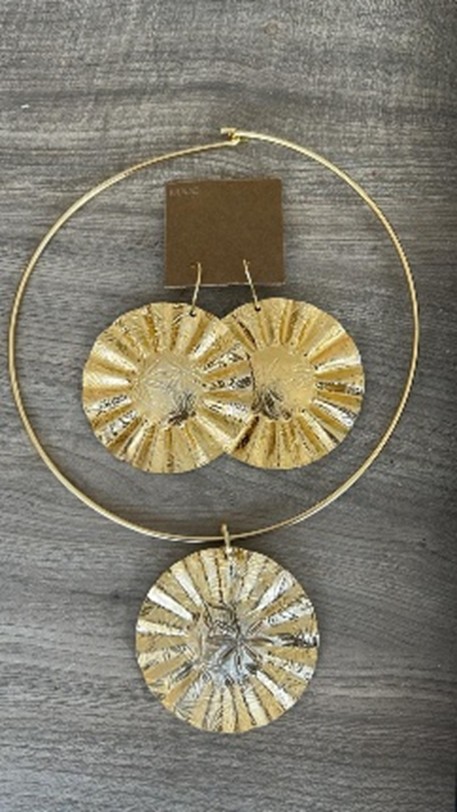
- Diverse Finishes: Anodising, polishing, and painting provide a broad palette of colours and textures.
- Creative Freedom: Designers can experiment with geometric, organic, or minimalist styles.
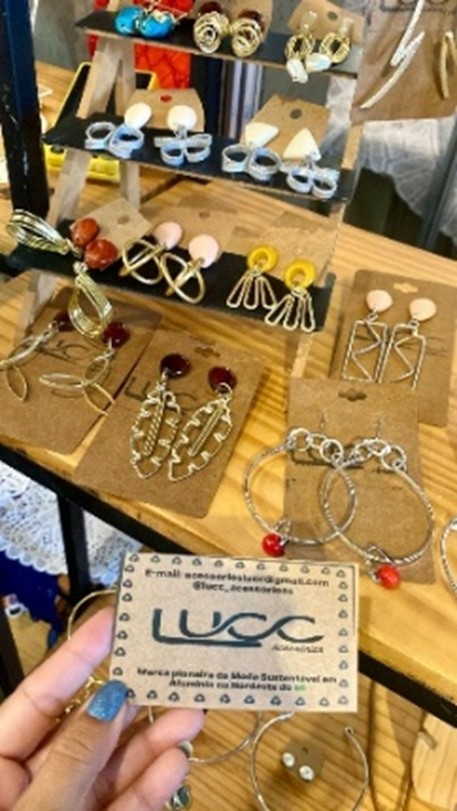
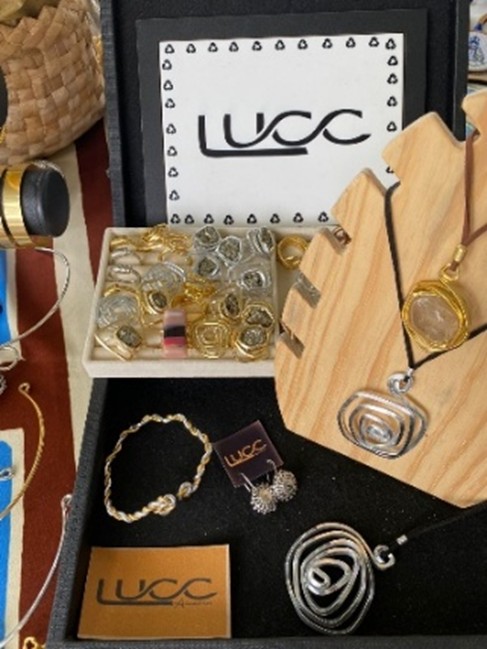
- Material Integration: Pairing aluminium with leather, fabric, or gemstones expands aesthetic possibilities.
Conclusion
Aluminium is establishing itself as a strategic material in the new generation of women’s accessories, combining innovation, sustainability and comfort. Beyond meeting the aesthetic demands of the market, it contributes to more responsible practices in fashion. With advancements in production technologies and the creativity of designers, aluminium is becoming a key player in contemporary, intelligent and environmentally conscious collections.
Featured image source: Armadillo Jewellery