



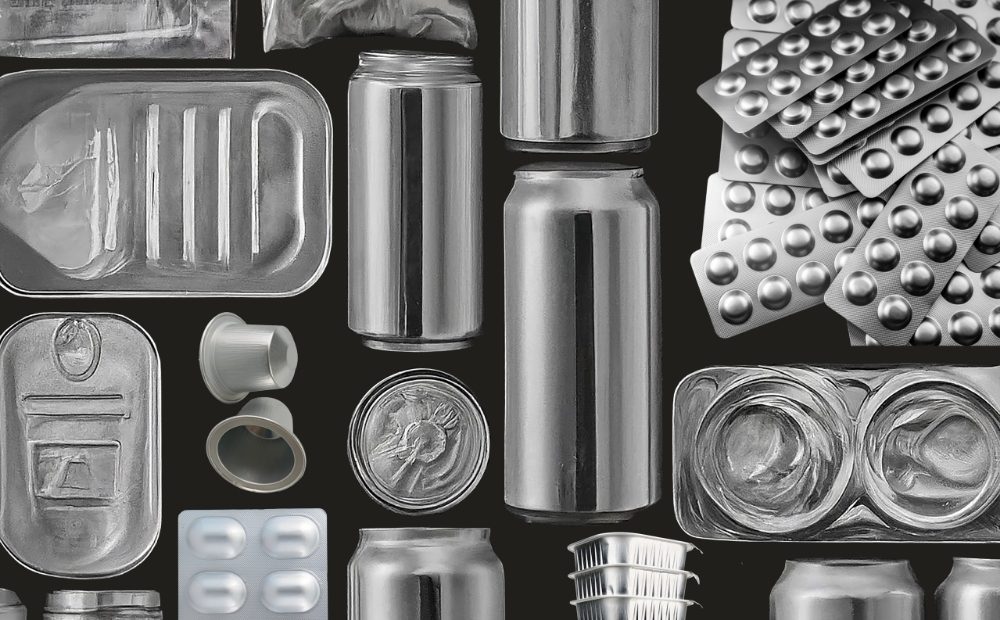

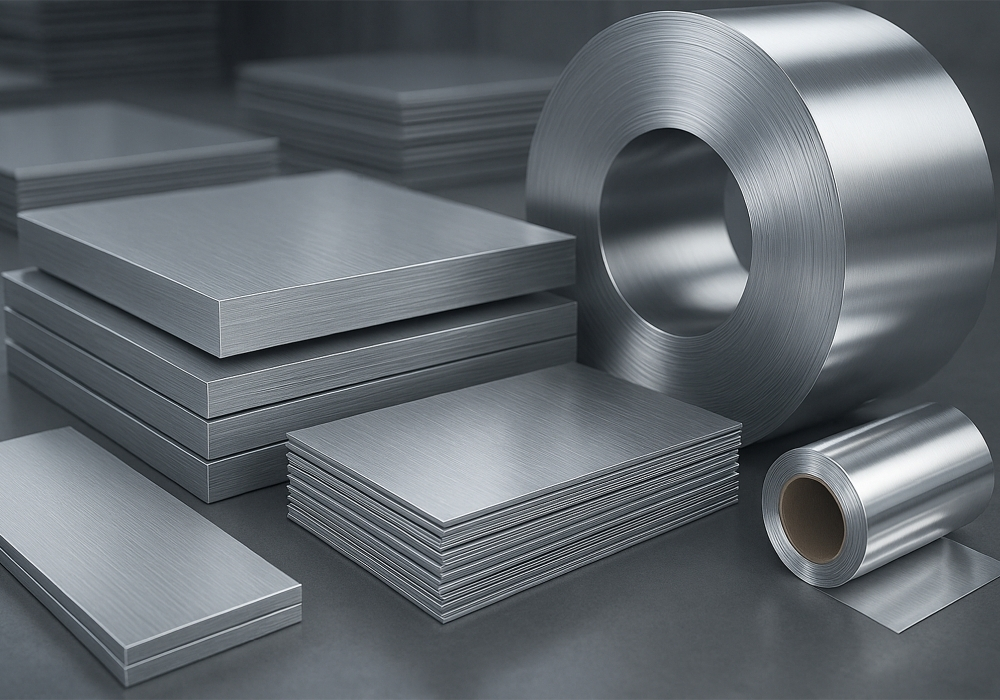
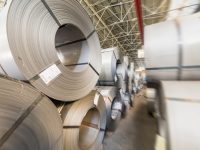
Aluminium Flat Rolled Products (FRP) are quietly reshaping the way industries think about lightweight, high-performance materials. From the fizzy pop of a soda can to the sleek body of an electric vehicle, FRP is no longer a speciality alloy; it’s central to innovation across sectors. At the heart of this shift are key aluminium grade series like 1xxx, 3xxx and 5xxx, each delivering unique advantages that align perfectly with modern demands in packaging, mobility, construction and electrification.
The rise of FRP in packaging and beyond
The global tilt toward sustainability and circularity has turned aluminium FRP into a standout material in packaging. The 1xxx series, known for its excellent corrosion resistance and formability, has become a go-to for multiple sectors. Its purity and recyclability make it ideal for consumer touches where safety and sustainability matter most.
In contrast, the 3xxx series (with manganese as the main alloying element) strikes a balance between strength and workability, making it ubiquitous in multiple sectors directly related to the end-use manufacturing. And then there’s the 5xxx series, with magnesium for enhanced strength and formability.
The result? Industries are increasingly replacing heavier, less sustainable materials with aluminium FRP, reducing carbon footprints while boosting performance.
Insights & Forecast to 2032: Delivering clarity in a dynamic market
Understanding these evolving trends is exactly why AL Circle’s “Aluminium Flat Rolled Products: Insights & Forecast to 2032” has become a must-have resource. This comprehensive research report isn’t just another market snapshot; it’s a strategic guide that combines consumer product research, market intelligence analysis and sustainability market research to spotlight key drivers and future opportunities.
Here’s what makes the report invaluable:
- Consumer product research that predicts demand
By diving deep into how and why end-users choose FRP, AL Circle uncovers emerging consumption patterns across consumer goods, food & beverage packaging, electronics and automotive interiors. Trends like increased demand for lightweight, recyclable packaging are backed by granular data that forecast shifts in material preference.
- Market intelligence analysis for decision-makers
The report lays out competitive landscapes, supply chain dynamics, price trajectories, and demand forecasts for core grade series like 1xxx, 3xxx, and 5xxx. This helps manufacturers, investors and OEMs allocate capital and innovate with confidence, especially in regions where local manufacturing is growing rapidly.
- Sustainability market research that drives strategy
Sustainability is more than buzz; it’s a business imperative. With aluminium recycling saving up to 95% of energy compared to primary production, FRP stands out as a circular economy champion. AL Circle’s research quantifies the environmental impacts of FRP adoption and maps how regulatory pressures and consumer preferences are steering material choices globally.
The bottom line
Aluminium FRP isn’t just another commodity; it’s a strategic material enabling lighter, greener, higher-performance products across industries. And with AL Circle’s “Aluminium Flat Rolled Products: Insights & Forecast to 2032,” stakeholders get the insights they need to navigate this dynamic landscape, today and into the next decade.






It’s fascinating to see how materials like aluminium FRP are driving such significant changes in industries like automotive and packaging. The focus on sustainability in the 1xxx series really reflects the growing demand for eco-friendly solutions. I’m curious, though—how do the properties of 5xxx series stack up when it comes to vehicle production? Are they gaining more traction as electric vehicles become more mainstream?