
Solar photovoltaic (PV) systems are heralded as the backbone of decarbonising the global energy mix. Yet with remarkable growth comes a mounting challenge: what happens when the very systems driving clean energy reach their end-of-life? This is where aluminium’s role in solar circularity becomes both a pressing issue and a strategic opportunity.
In 2024, global PV installed capacity surpassed 2.2 terawatts (TW) with nearly 600 gigawatts added in a single year, a rate of deployment that is expected to continue accelerating. Aluminium, a key material in PV frames, mounting and racking systems, accounts for about 85 per cent of the structural material in these installations. With this pace of growth, end-of-life management of aluminium in PV systems is quickly rising as an industrial, policy and recycling agenda.
Why aluminium circularity matters for solar PV
Aluminium is not just another component in a solar panel, it is foundational to how panels are designed, deployed and supported. Its lightweight properties, corrosion resistance, and structural reliability make it ideal for both rooftop and utility-scale systems. But this success is creating a looming circularity issue:
- According to industry estimates, cumulative PV waste could range from 1.7 to 8 million tonnes by 2030 and accelerate to between 60 and 78 million tonnes by 2050, with a substantial share being aluminium scrap.
- Much of this aluminium currently flows through linear value chains, with limited mechanisms for systematic recovery or reuse at end-of-life.
That trajectory represents not only an environmental risk, but a material security risk for the solar and broader aluminium supply chains.
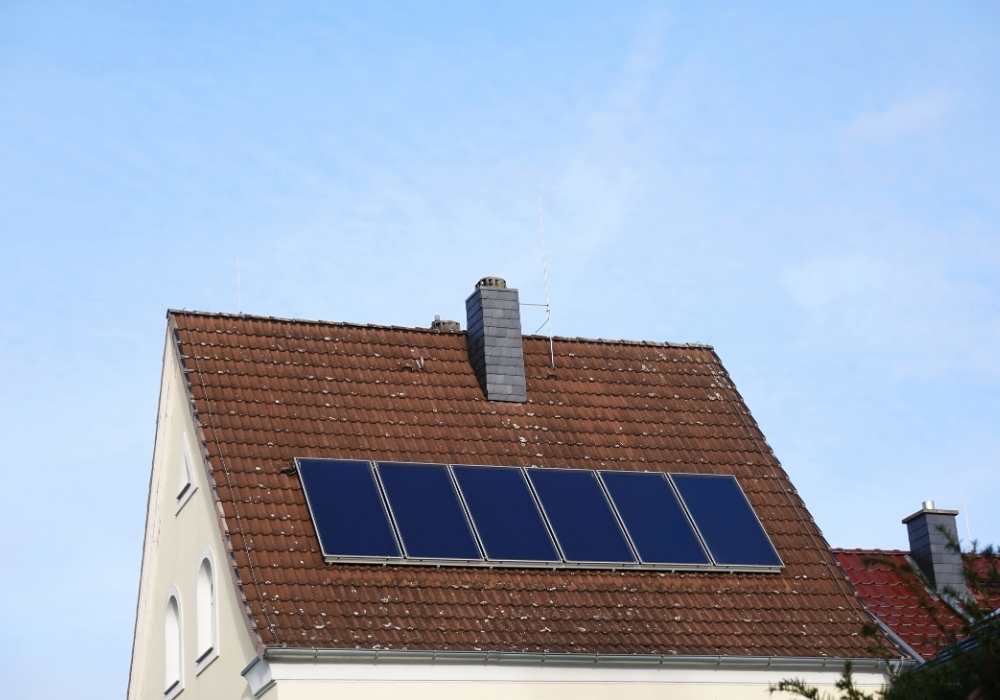
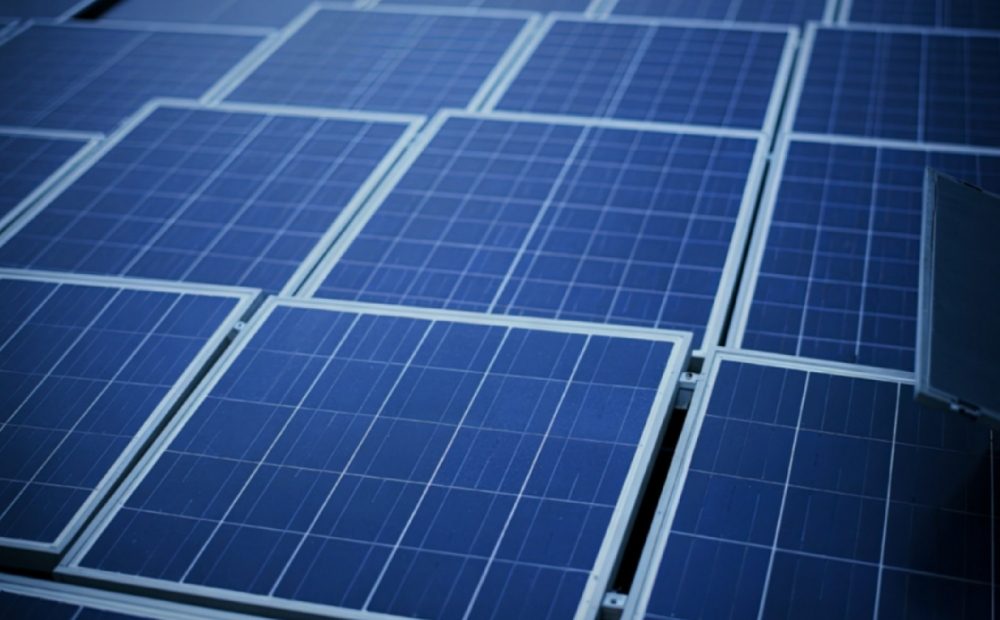
Image used for representational purpose
The barriers preventing effective circularity
Several factors are slowing true circularity for PV aluminium:
Fragmented policy landscapes
While regions like the European Union have established extended producer responsibility (EPR) regulations and landfill restrictions to drive higher recovery rates, many markets, including India, Canada, Australia and parts of the United States, lack harmonised regulatory frameworks for PV end-of-life management.
Technical separation challenges
Solar panels are tightly integrated products. Although aluminium frames and racking can technically be recycled, separation, especially when bonded with adhesives or composite materials, often remains uneconomic or inefficient. This raises costs and limits recovery at scale.
Industry liability concerns
Manufacturers hesitate to process end-of-life aluminium due to uncertainties around alloy integrity, trace elements and performance in secondary applications, which complicates reuse prospects without better supply chain traceability.
Rising risks and strategic imperatives
The solar industry is confronting two simultaneous dynamics:
Rapidly rising waste volumes
Panels frequently get replaced early due to performance degradation or system upgrades, meaning aluminium scrap streams are emerging earlier than anticipated.
High cost of primary aluminium
Primary aluminium production carries significant carbon emissions (12–17 tCO₂e per tonne), while recycled aluminium generates far less (0.5–2 tCO₂e per tonne). This creates a strong environmental and economic incentive for sourcing recycled feedstock into new solar structures.
Together, these point to circularity as much more than a compliance or recycling checkbox — it is becoming a supply continuity and sustainability imperative.
Opportunity areas to boost circular outcomes
To transition from linear to circular PV aluminium systems, several practical pathways are emerging:
Design for disassembly
Early decisions on how panels and frames are connected can significantly impact recyclability. Mechanical fasteners, for instance, enable easier separation of aluminium at end-of-life compared to permanent adhesives.
Certifying secondary material usage
Establishing clear standards for quality and performance of recycled aluminium from PV applications will reduce liability fears and strengthen demand for circular content.
Co-located recovery hubs
Setting up physical infrastructure where PV decommissioning, sorting and aluminium processing occur in proximity can reduce logistics costs and unlock scale advantages.
Stronger policy frameworks
Accelerating the adoption of EPR, landfill bans and incentives for recycling can align investments and industrial participation toward circular outcomes.
Circularity as a strategic advantage
Solar energy’s future depends on more than expanding capacity; it requires a closed-loop approach to materials. Aluminium stands at the heart of this transition. Its recyclability, when harnessed effectively, can turn what would be waste into strategic feedstock, lowering carbon footprints and reducing exposure to primary market swings.
For industry players, investors, policymakers and recyclers alike, aluminium circularity in the solar PV sector is not just an operational concern; it’s a critical opportunity to embed sustainability into one of the fastest-growing segments of the global energy economy.