



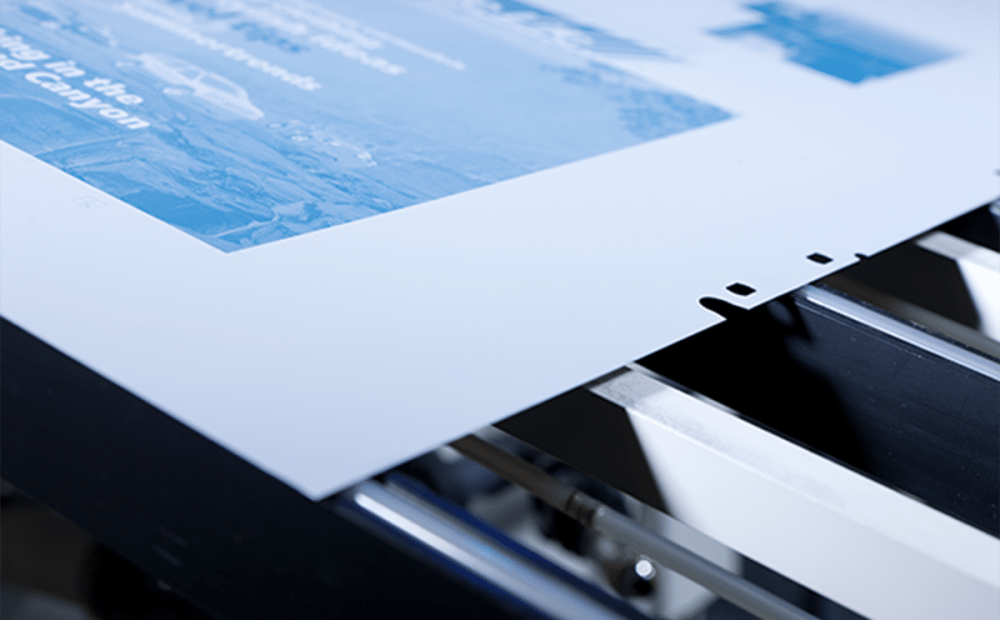

As sustainability becomes a strategic priority across industries, printing consumables manufacturer Eco3 is taking measurable steps to reduce the environmental impact of offset plates. A recent lifecycle analysis conducted by independent German organisation Telusio shows that Eco3’s approach, including recycling initiatives and eco‑innovations, significantly cuts carbon emissions tied to traditional offset printing plates.
Lifecycle insights: Carbon footprint of aluminium offset plates
Offset plates play a critical role in commercial and packaging printing, but they also carry a significant environmental footprint. According to the Telusio study, almost 75 per cent of the carbon emissions associated with an offset plate come from aluminium production itself, with a standard 0.3 mm aluminium sheet generating around 7.66 kg of CO₂ per square metre across its lifecycle. Thinner and thicker plates vary from roughly 5 kg CO₂ to nearly 9.6 kg CO₂ per square metre, underscoring how material choice drives environmental impact.
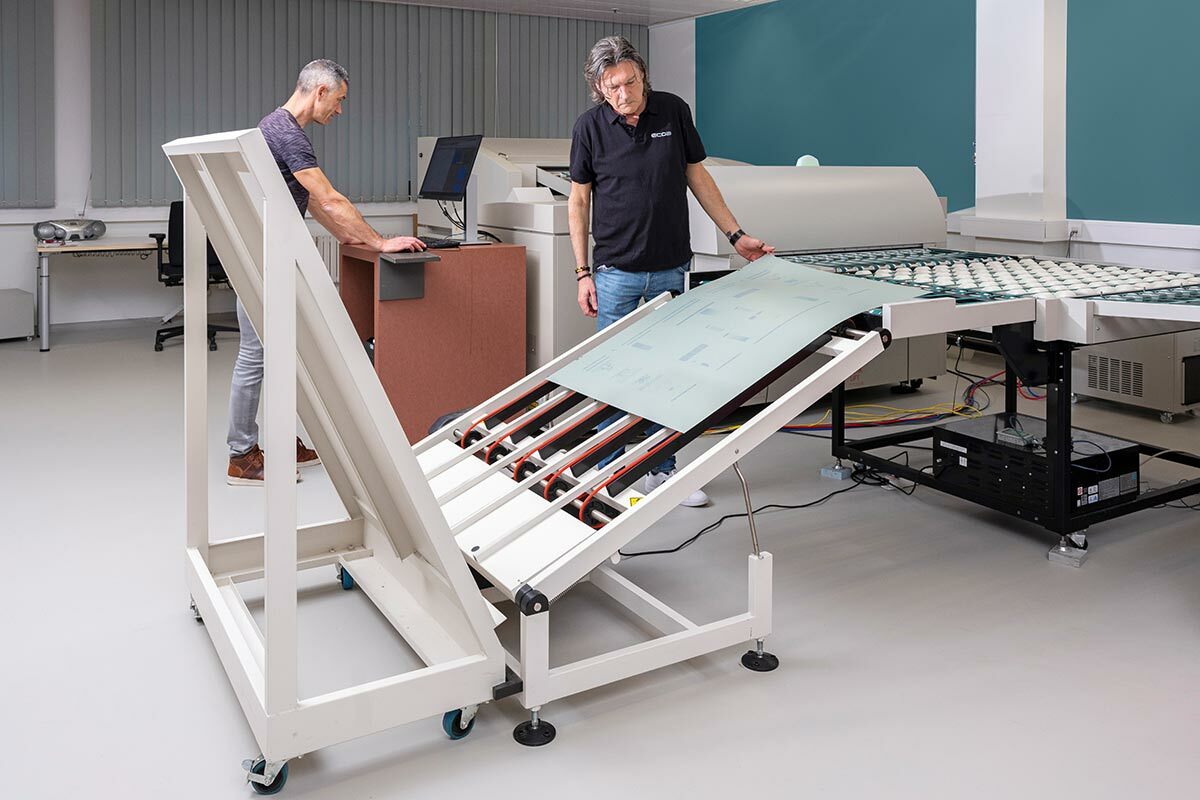
Image credit: eco3
While aluminium production emissions are largely outside the manufacturer’s direct control, Eco3 has partnered with suppliers certified by the Aluminium Stewardship Initiative (ASI) to ensure higher environmental and sustainable practices in sourcing.
Net‑of‑Aluminium program: Recycling at scale
Eco3’s sustainability strategy goes beyond sourcing. The company’s Net‑of‑Aluminium (NoA) program collects used offset plates from printers and returns them to recycling streams. Through this initiative, Eco3 claims it can recover nearly 99 per cent of aluminium from end‑of‑life plates, dramatically reducing waste and supporting circular material flows.
Eco‑Innovations: Chem‑Free plates and water saving
Beyond recycling efforts, Eco3 offers chem‑free offset plates, designed to lessen environmental impact compared with conventional metal plates. These plates require no chemical processing, which not only reduces harmful effluents but also cuts water usage, saving an estimated 15,000 litres of water annually and lowering energy consumption from 960 kWh to 314 kWh when compared to traditional alternatives.
The move towards chem‑free and low‑impact plates aligns with broader industry shifts to greener printing technologies, including solutions that drastically cut chemical waste, water usage and energy demand.
Implications for sustainable aluminium and printing
Aluminium remains central to the offset plate carbon footprint. The high share of emissions from metal production highlights both the challenge and the opportunity for broader upstream decarbonisation, including low‑carbon aluminium production and recycled content integration. This aligns with wider trends seen in the metals industry toward recycling, clean energy use and circular material flows.
Eco3’s initiatives demonstrate how product design, supplier partnerships and circular practices can significantly mitigate environmental impact, even when the base material contributes heavily to overall emissions. For the printing and metals industries alike, such case studies spotlight practical pathways toward decarbonisation and resource efficiency.
Source: Offset plate of Eco3 helps to reduce carbon footprint


