
Global aluminium production is being fundamentally reshaped by electricity, not just its cost, but its availability, source and regulatory pressures. Smelting aluminium has always been electricity‑intensive, but recent market stress is forcing companies to rethink where and how they operate, with implications that ripple across supply chains and long‑term output.
In 2023-24, primary aluminium smelting consumed well over 900 terawatt‑hours of power to produce roughly 70-72 million tonnes of metal, a footprint larger than many national grids. That intensity has exposed vast disparities in smelter competitiveness and is accelerating structural change in global capacity.
Electricity costs are redefining smelter viability
The heart of the challenge is economic. Aluminium smelting operates at a huge scale: the Hall–Héroult electrolysis process that extracts aluminium from alumina relies on continuous access to cheap, reliable electricity. Even small increases in power costs squeeze margins sharply because energy is one of the largest input costs in the business.
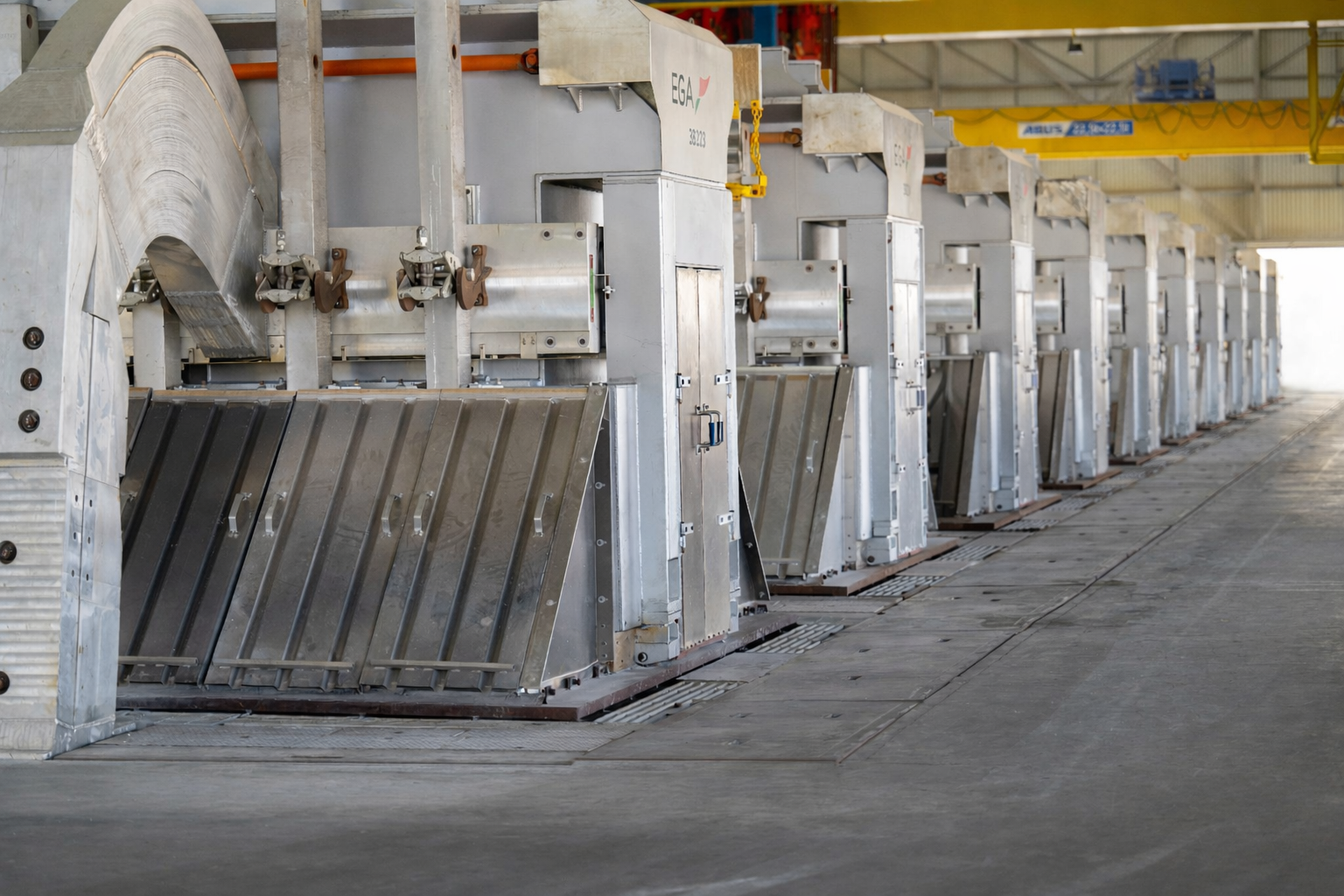
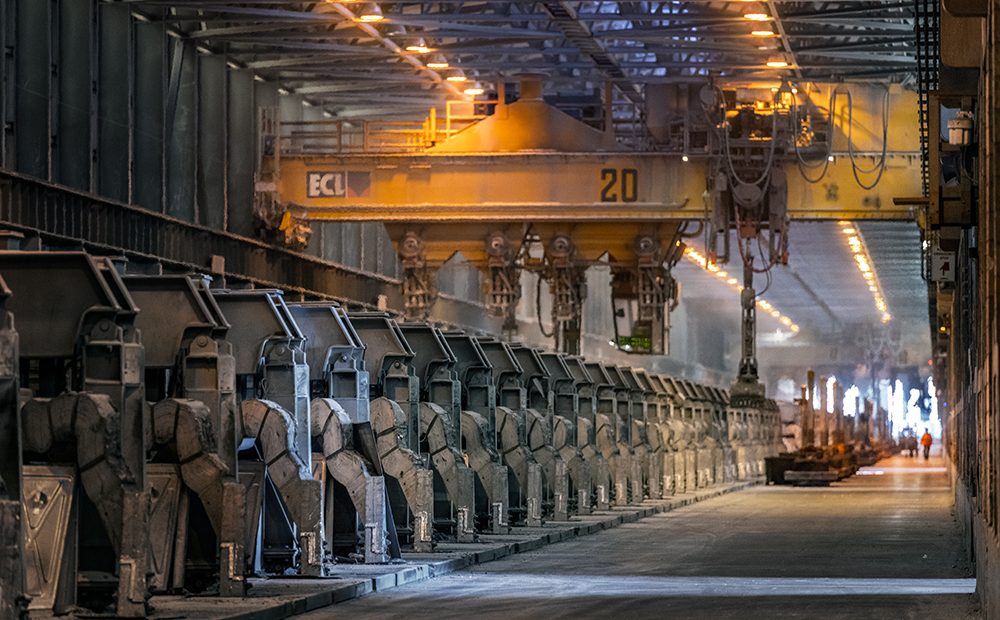
Image used for representational purpose
As electricity prices have surged in many regions, plants with higher cost bases have been pushed to the brink. Some smelters face closure or idle capacity because they cannot secure competitive power contracts. Others are forced into expensive renewables transitions that, if poorly structured, could make them less competitive for years.
This reality is reshuffling where aluminium gets made:
- Regions with low‑cost hydropower remain attractive, anchoring existing production and drawing purposeful relocations.
- Coal‑dependent plants now grapple with both cost and decarbonisation pressures, increasing competitive stress.
- Governments in major markets are stepping in with incentives or credits to keep smelters operating, but not without political pushback.
Impact on production footprints and global trade
The influence of electricity runs deeper than short‑term economics. Smelters powered by lower‑carbon grids or dedicated renewable supply lines are increasingly seen as “future‑proof” assets. That perception is influencing investment decisions, plant upgrades and even national industrial strategies.
China, which produces the majority of the world’s aluminium, is a key example. Its north and east regions have historically relied on coal for power, but concerted policy and infrastructure shifts are driving capacity toward hydropower‑rich south and west zones. These moves are motivated by both cost and emissions reduction goals, and they reshape domestic and export‑oriented production capacity.
In Europe and North America, where grids already lean toward low‑carbon sources like hydroelectricity, the focus is on eliminating the process emissions that electricity alone can’t address. Technology innovation in inert anodes and decarbonised power contracts promises to redefine what “green aluminium” means commercially.
What this means for the aluminium value chain
For buyers and sellers across the aluminium ecosystem, the reshaping of smelters by electricity has practical consequences:
- Pricing volatility may persist as power costs fluctuate and capacity adjustments ripple through markets.
- Supply risk may increase in regions heavily dependent on fossil cost power or where political support for smelters is weak.
- Green premiums could emerge for low‑carbon aluminium produced with renewables, especially in regulated markets with carbon pricing or border adjustments.
- Investment in energy strategy, long ignored by many downstream players, becomes integral to competitiveness.
Above all, the industry’s evolution highlights a simple but brutal truth: aluminium’s future is not just about ore, labour and markets, it’s about electrons. Control over affordable, low‑carbon electricity is no longer a competitive edge; it’s a prerequisite for survival and growth in global aluminium production.