
As sustainability and material innovation reshape beverage packaging, new research has reinforced aluminium’s credentials as a viable alternative to traditional glass for wine packaging. Recent experimental results from a study conducted by researchers at the University of Florida demonstrate that aluminium cans can preserve wine quality comparably to glass bottles.
Reassessing material choice in wine packaging
For generations, glass bottles have served as the default packaging for wine due to their inert nature and ability to safeguard flavour and aroma. However, shifts in consumer behaviour, sustainability priorities and demands for more portable packaging have prompted renewed examination of alternatives. Among these, aluminium cans have gained attention, but questions about how they influence wine chemistry and sensory properties have persisted.
Study methodology and findings
In the recent study, muscadine wine samples were stored in both aluminium cans and glass bottles under two conditions: accelerated storage at 36 °C for 30 days and ambient storage at approximately 25 °C for six months. The research focused on key indicators of wine quality, including anthocyanin levels, colour stability, pH, alcohol content and aroma compounds.
The study concluded that aluminium cans perform comparably to glass in maintaining wine quality over time. No significant differences were observed between the two packaging materials in terms of changes to chemical properties or sensory attributes. The researchers noted that “these properties change similarly in [glass] bottles and [aluminium] cans over time, supporting the use of cans as a viable alternative packaging.”
Also read: From bottles to cans: scientific evidence strengthens aluminium’s case in wine packaging
Assessing anthocyanins and sensory impact
A particular focus was placed on anthocyanins, the compounds responsible for red wine colour and antioxidant activity, which are sensitive to storage conditions. While levels of anthocyanin declined during ambient storage, the decline was attributed to time and temperature effects rather than the packaging material itself. Overall, minimal colour degradation was recorded and was considered unlikely to be noticeable to consumers. Likewise, aroma and flavour profiles remained unaffected, with no evidence of flavour scalping or adverse interaction between the wine and the lining of the aluminium cans.
Implications for the aluminium value chain
These findings lend scientific backing to the use of aluminium cans in wine packaging, not merely for niche or convenience markets but as a credible option for preserving wine quality. With aluminium’s strong recyclability and lightweight profile enhancing transport efficiency, this evidence supports broader adoption of metal packaging in segments where glass has traditionally dominated.
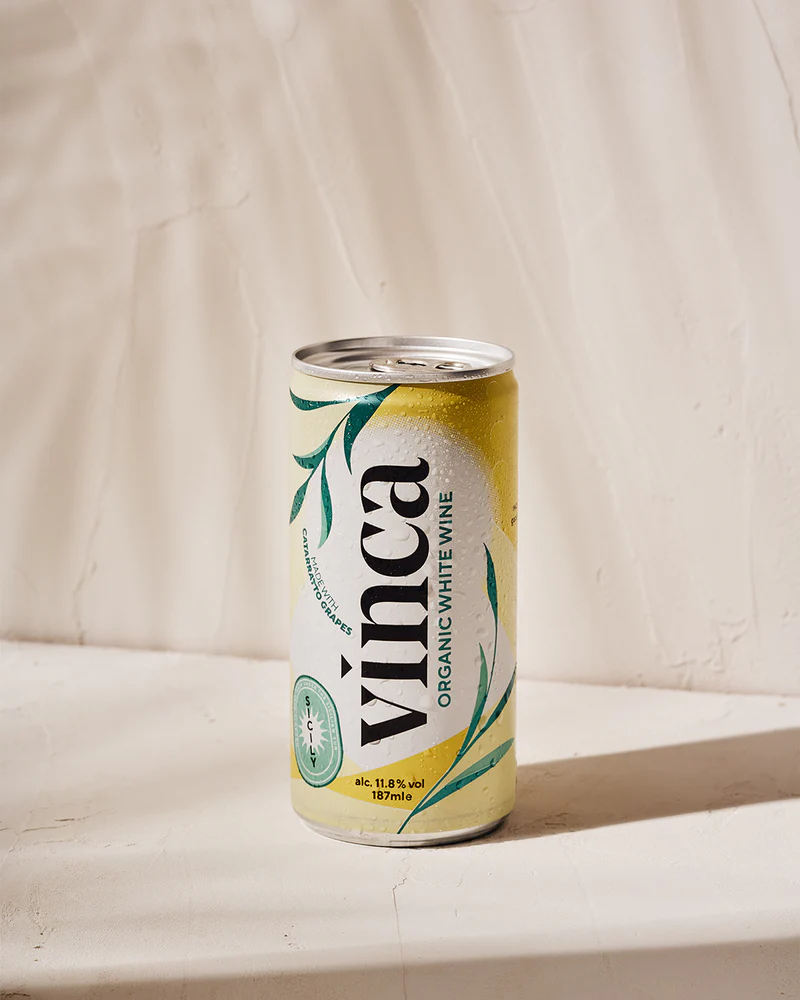
Image credit: Vinca
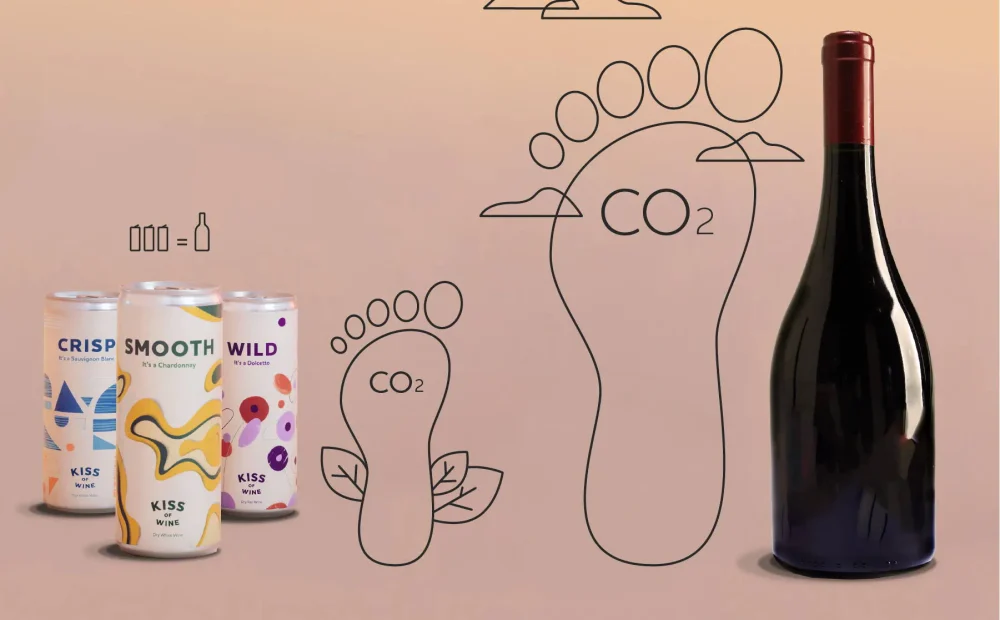
The growing commercial acceptance of aluminium wine formats is further evidenced by recent launches such as Vinca’s Rosé in aluminium bottles and Kiss of Wine in cans, which is being positioned as a more sustainable option in the wine industry.
As the packaging landscape continues to evolve, such empirical clarity helps producers, brand owners and converters make informed decisions rooted in material performance and lifecycle considerations.
Featured image credit: Kiss of Wine