
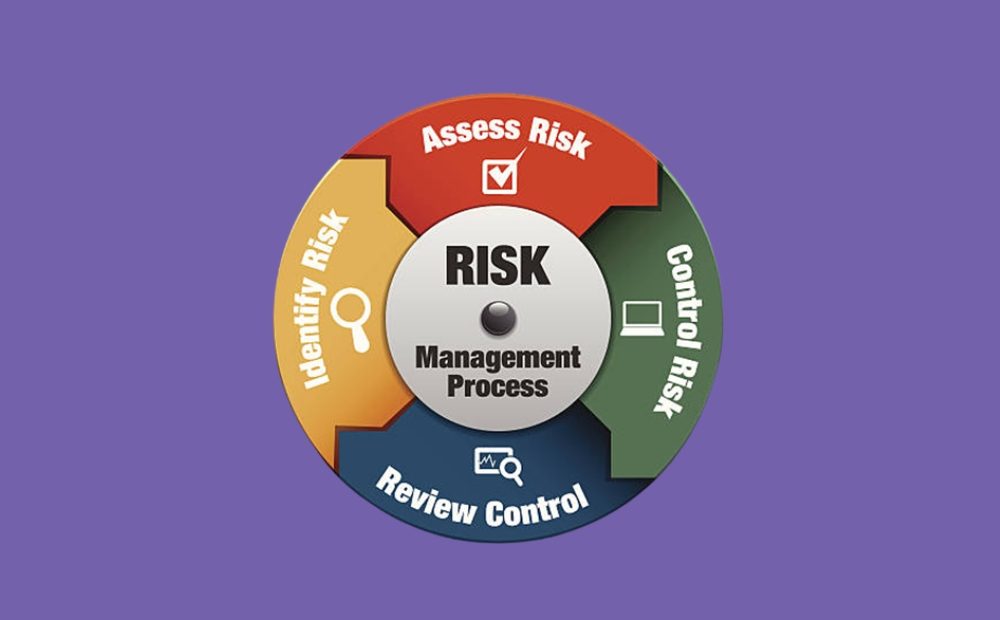

In today’s volatile aluminium market, where prices are spiralling and new projects are emerging, the need for solid risk management strategies has never been more critical. During this webinar, industry veterans and experts discussed the key risks that aluminium industry projects face in their early phases, from design to procurement to quality control and provided insights on how to mitigate these risks effectively.
Here, we break down the core elements covered in the session, from identifying risks to practical strategies for successful project execution in the aluminium industry.
Understanding key risks in aluminium industry projects
The aluminium industry, like many others, faces several uncertainties, especially when undertaking new projects during times of volatility. The biggest risks in these projects typically arise during the early stages, including:
- Design phase risks: Misaligned expectations on quality, scope and delivery timelines can quickly derail a project.
- Procurement risks: Delays and issues with supplier quality can impact the overall timeline and cost structure.
- Supply chain delays: Even minor disruptions in the supply chain can have large cascading effects on the project schedule.
- Quality of inputs: The integrity of the materials used in aluminium production plays a significant role in the project’s success. Subpar materials can lead to delays and performance issues down the line.
Project planning: Establishing the core team
One of the first and most important steps in any successful project is assembling the right team. The project manager should ensure that a core project team is established, focused on key areas such as planning and implementation. This team should include people who are capable of managing everything from regulatory clearances to logistics and market studies.
- Core team structure: The project team should be headed by a project leader (often the client or the promoter) and supported by specialists in key areas (logistics, regulatory, vendor management, etc.).
Site selection and pre-project activities
Site selection plays a critical role in determining the success of an aluminium project. Factors such as proximity to suppliers, customers, and power sources must be considered. In addition to site selection, pre-project activities like market studies, regulatory clearances, and the establishment of quality assurance frameworks are crucial.
- Regulatory and environmental clearances: Ensuring that all necessary clearances are obtained can sometimes be the most time-consuming process. Delays in these areas can cause significant setbacks.
- Logistical challenges: Projects in the aluminium sector often require the transportation of raw materials from mines to refineries or smelters. This process can be fraught with logistical challenges, particularly when projects are located in remote or undeveloped areas.
Risk categories in different aluminium projects
Projects within the aluminium industry can be broken down into several categories, each carrying its own unique set of risks. These include:
- Upstream projects: These typically involve bauxite mining and alumina refining, both of which have environmental and logistical risks. Mining operations often face challenges in accessing remote areas, obtaining land leases, and carrying out geological surveys. In alumina refining, risks related to the quality of bauxite input and the efficiency of the refining process are prevalent.
- Primary aluminium smelters: In this category, the risk is primarily around power supply. Aluminium smelting is an energy-intensive process, and any disruption in power availability can halt operations. Smelters are usually located near reliable power sources, but the risk of power shortages remains a key consideration.
- Secondary aluminium processing units: Recycling units for aluminium, where the metal is reclaimed from scrap, are less capital-intensive than primary smelters but still come with risks. Scrap quality, supply chain interruptions, and the need for a reliable fuel source (typically gas) for melting are all important factors.
- Downstream aluminium units: The risks in downstream projects such as aluminium rolling mills and extrusion plants are generally tied to equipment selection and customer demand. Ensuring that the right size of equipment is chosen for the desired product and managing material flow efficiently are key considerations.
Challenges in aluminium smelter projects
Aluminium smelters face several distinct challenges in addition to power supply. These challenges include environmental clearances, access to raw materials, and reliable logistics for transporting materials. In some regions, smelters face challenges in accessing sufficient water, a critical resource for the cooling process.
Moreover, the risk of overcapacity is another concern. As more aluminium smelters come online, the market can be flooded with metal, which depresses prices and impacts profitability.
Red mud management in alumina production
The production of aluminium creates a byproduct known as “red mud.” The disposal of red mud has become a growing environmental concern. Many aluminium producers are exploring innovative solutions to reduce red mud generation and find alternative uses for it.
- Recycling and alternative uses: Red mud is increasingly being utilised in industries such as cement manufacturing and road construction, and some research institutes are working to extract valuable metals from it. However, finding long-term solutions for managing red mud remains one of the most pressing issues in alumina refining.
Secondary aluminium processing: Risks and benefits
As demand for recycled aluminium grows, secondary aluminium processing becomes more popular. The key risks in secondary aluminium plants are tied to scrap sourcing and handling. Scrap quality can vary significantly, and ensuring consistent material flow is crucial to the plant’s success.
The main benefit of secondary aluminium production is lower capital costs compared to primary smelters, as well as the ability to quickly adjust to fluctuating demand.
Critical factors for aluminium downstream projects
Aluminium downstream projects, such as rolling mills and extrusion plants, face unique risks related to customer specifications. These projects require close coordination with the sales and marketing teams to ensure that the correct equipment is selected to meet customer demand.
In particular, extrusion plants must account for the required billet size and product specifications, which impact the equipment selection and layout of the plant. Downstream projects are less capital-intensive than primary smelting projects, but they still require significant planning and coordination.
Upgrades and modernisation: Risks in brownfield projects
Many aluminium companies are opting for brownfield projects, upgrades and expansions of existing plants, to reduce capital expenditure. However, these projects come with their own set of challenges, particularly when integrating new equipment with older infrastructure.
- Operational integration: Brownfield projects require detailed planning to integrate new equipment without disrupting existing operations. Ensuring that the integration is smooth and that safety standards are maintained is a crucial element of successful brownfield project execution.
De-risking projects: A roadmap for success
To minimise the risks in aluminium industry projects, it’s critical to:
- Establish a core project team early: Having a dedicated team from the start ensures that risks are identified early and managed effectively throughout the project lifecycle.
- Carry out pre-project activities: Before committing to the full project, carry out frontend engineering and design, including detailed site assessments and cost estimates.
- Timely decision-making: Keep all stakeholders informed and make decisions in a timely manner to avoid delays.
- Effective communication: Clear communication and decision-making among project team members, stakeholders and vendors are key to successful project execution.
Conclusion
The aluminium industry is navigating complex and volatile market conditions, but by taking proactive steps in risk management, companies can mitigate potential issues and execute successful projects. From upstream mining to downstream processing, careful planning and close coordination with all stakeholders are essential to ensuring that projects stay on track.
The key takeaway from this webinar: A well-structured project team and comprehensive planning are the cornerstones of mitigating risk in aluminium industry projects.